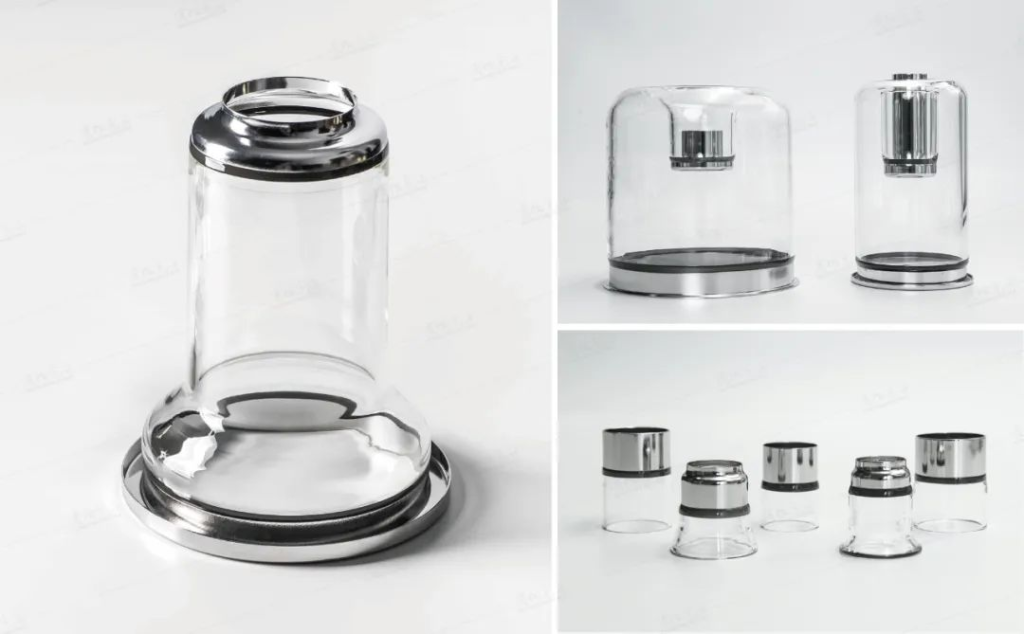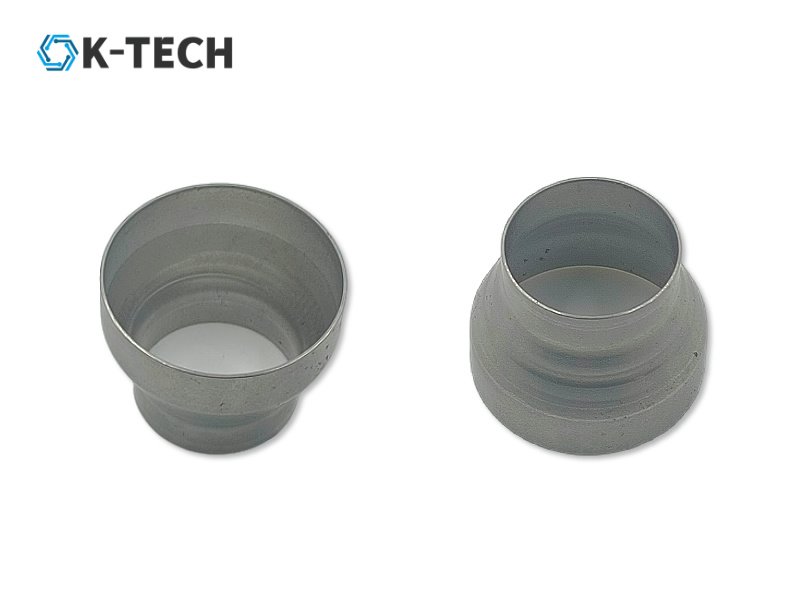
4J29, also known as Kovar alloy, is an Fe-nickel-cobalt alloy that is widely used in industry because of its unique thermal expansion properties.
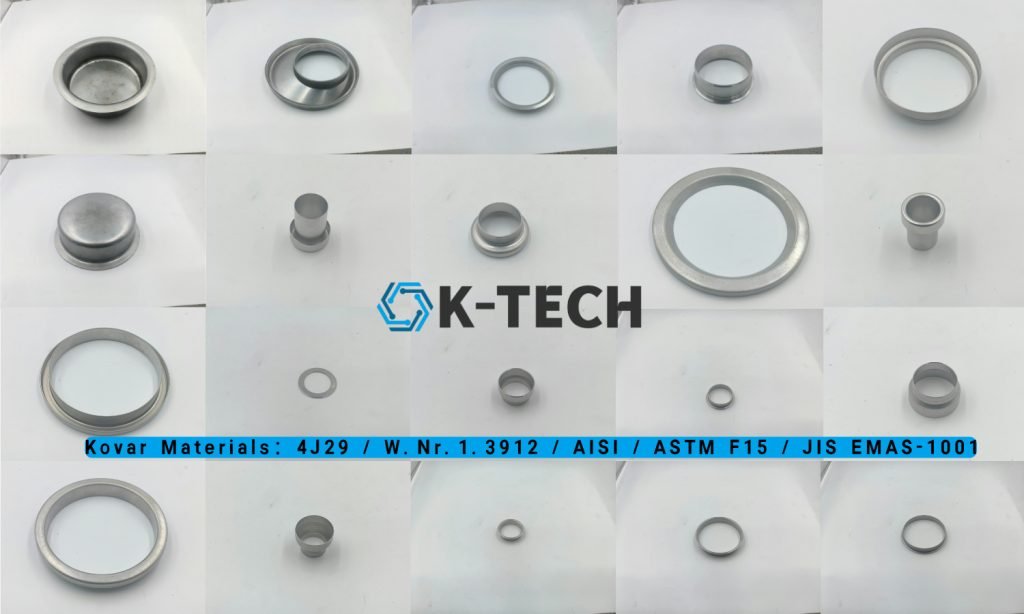
Chemical composition
The chemical composition of 4J29 is the key factor determining its performance. According to the GB/T 15018-1994 standard, the main components of this alloy include:
| Element Symbol | Element Name | Content Range |
| Ni | Nickel | 28.5% – 29.5% |
| Co | Cobalt | 16.8% – 17.8% |
| Fe | Iron | Allowance |
| C | Carbon | ≤0.03% |
| Mn | Manganese | ≤0.50% |
| Si | Silicon | ≤0.30% |
| P | Phosphorus | ≤0.020% |
| S | Sulfur | ≤0.020% |
| Cu | Copper | ≤0.20% |
| Cr | Chromium | ≤0.20% |
| Mo | Molybdenum | ≤0.20% |
The nickel and cobalt content may be different from the range specified in Table 1-2 if the average linear coefficient of thermal expansion meets the standard requirements. The content of aluminium, magnesium, zirconium and titanium should be not more than 0.10% and the total amount of these elements should not be more than 0.20%.
Physical properties
The physical properties of 4J29 are as follows:
1. Density: 8.17 grams per cubic centimeter
2· Resistivity: 0.46Ω* square centimeter/meter
3· Conductivity: 2.174 * 1,000,000 S/m
4· Thermal conductivity: 0.046 kcal / cm³ ℃
These physical property data are crucial for material selection when designing and applying alloys.
Heat treatment system
The heat treatment system of 4J29 has great effect on its performancethe heat treatment system of 4J29 has great effect on its performance. Samples of the standard performance test of coefficient of expansion and low temperature microstructure stability are heated in the hydrogen atmosphere for 1 hour at 900 degrees +/- 20 degrees C, then heated to 1100 degrees +/- 20 degrees C and held for 15 minutes, cooled to below 200 degrees C at a rate not more than 5 degrees C/minute and then taken out of the furnace.
Application Overview
4J29 is mainly used in sealing glass of electronic vacuum components such as emitter tubes, oscillator tubes, igniter tubes, magnetrons, transistors, sealed plugs, relays, lead wires of integrated circuits, chassis, casings, brackets, etc. In practice the glass chosen should be compatible with the coefficient of expansion of the alloy. Testing of the stability of microstructure at low temperature is strictly according to the temperature of usage. In the process, proper heat treatment should be carried out to ensure that the material has good deep drawing and drawing performance.