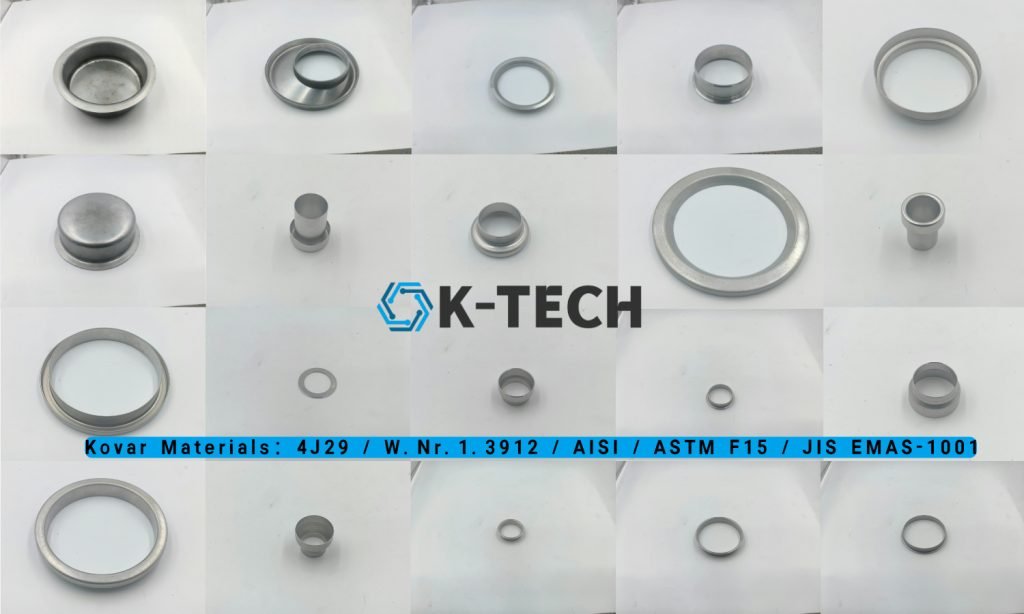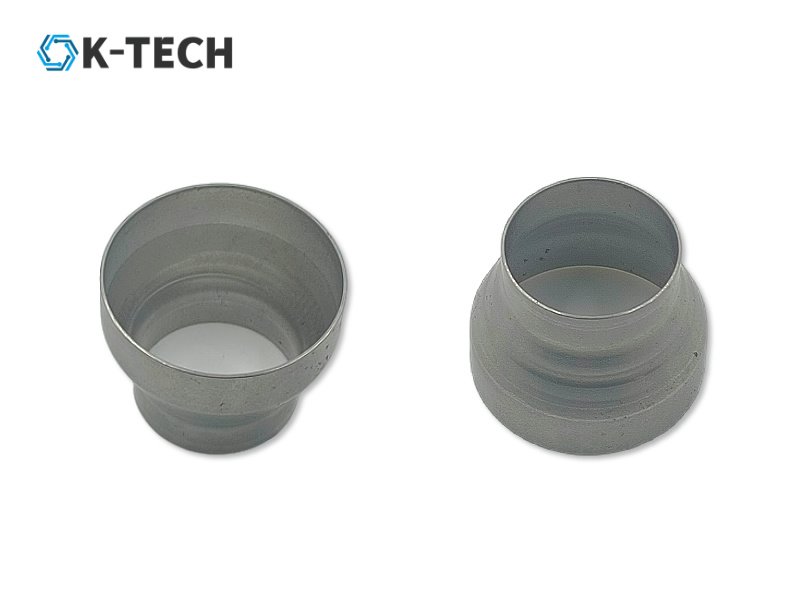
Kovar alloy (4J29 alloy), leveraging its thermal expansion coefficient highly matched with borosilicate hard glass, excellent mechanical properties, and high-temperature resistance, plays an irreplaceable role in CT tubes. Below are its core application scenarios and technical details:
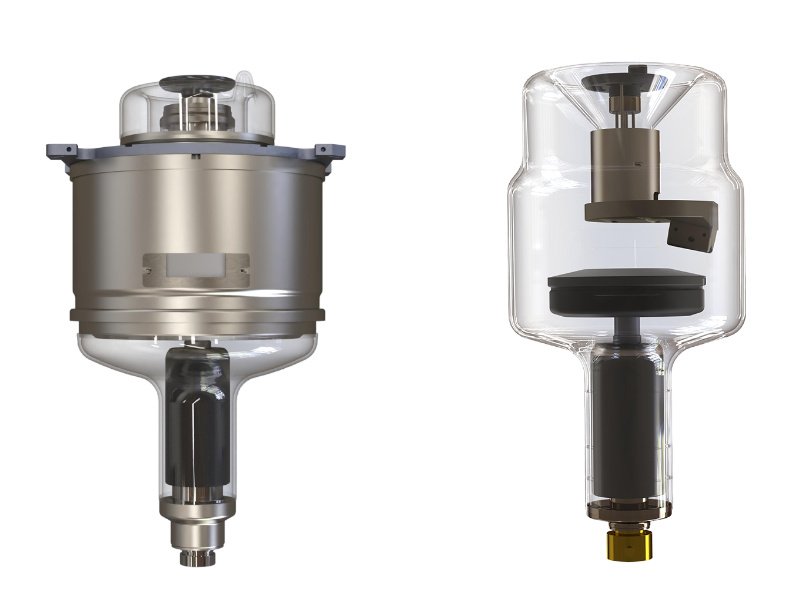
I. Precision Sealing of Core Components
Within the temperature range of 20°C to 450°C, the coefficient of thermal expansion of Kovar alloy (approximately 4.6×10⁻⁶/°C) is nearly identical to that of borosilicate hard glass (approximately 4.0×10⁻⁶/°C). Additionally, its dense oxide film enables good wetting by glass. These characteristics make it the material of choice for metal-glass sealing in CT tubes, with specific applications including:
- Sealing of Housing and Window: The sealed connection between the CT tube housing (metal material) and the X-ray exit window (glass material) is crucial, as it must withstand a high vacuum environment of up to 10⁻⁷ Pa. Through high-temperature fusion sealing, Kovar alloy ensures no gas leakage during long-term use, maintaining the high vacuum inside the tube and preventing electron scattering and filament oxidation.
- Lead Wire Encapsulation: The high-voltage circuits inside the CT tube (e.g., anode and cathode leads) need to pass through glass insulation layers to connect with external power supplies. Lead wires made of Kovar alloy not only have excellent electrical conductivity but also, due to their matched sealing with glass, prevent high-voltage breakdown and electric leakage, ensuring equipment safety.
II. Mechanical Support and Structural Stability
Kovar alloy has a relatively high Curie point (approximately 480°C) and excellent microstructural stability within the range of -80°C to 450°C, making it suitable for providing reliable support under extreme temperature conditions:
- Brackets and Chassis: Core components inside the CT tube, such as the anode and cathode, require precise fixation to ensure the electron beam accurately bombards the target surface. Brackets and chassis made of Kovar alloy can maintain dimensional stability under long-term high-temperature (e.g., the anode target surface can reach temperatures above 2000°C) and mechanical vibration environments, avoiding imaging deviations caused by component displacement.
- Shock-Resistant Design: In mobile or portable CT devices, the high strength (tensile strength ≥ 585 MPa) and fatigue resistance of Kovar alloy can effectively cushion shocks during transportation, reducing the risk of CT tube damage.
III. Key Material for High-Temperature Components
During the operation of a CT tube, the anode target surface bears the high-energy bombardment of the electron beam, generating a large amount of heat. The high-temperature resistance of Kovar alloy makes it an ideal choice for certain high-temperature components:
- Anode Support Structure: The anode rotor bracket in some high-end CT tubes is made of Kovar alloy. Its high-temperature strength (e.g., tensile strength ≥ 345 MPa at 600°C) ensures the structural integrity of the rotor during high-speed rotation (e.g., 12,000 revolutions per minute), preventing rotor imbalance caused by thermal deformation.
- Heat Dissipation Components: Heat dissipation fins made by combining Kovar alloy with materials such as copper and aluminum can quickly transfer heat from the anode to cooling oil or air through thermal conduction, improving the heat dissipation efficiency of the CT tube. For example, the AU240 tube produced by China’s Chronos Imaging adopts a Kovar alloy heat dissipation structure, with a heat capacity of 8 MHU, suitable for 64-slice and above CT equipment.
IV. Technological Innovation and Domestic Replacement
In recent years, domestic manufacturers in China have gradually broken the monopoly of imported products through technological breakthroughs, and the localization process of Kovar alloy has accelerated significantly:
- Material Process Optimization: Domestic enterprises such as Shengsheng Metal Technology have improved the purity (impurity content < 0.005%) and processing precision (dimensional tolerance ≤ ±0.002 mm) of Kovar alloy through minor composition adjustments (e.g., reducing nickel content from 29% to 28.5%) and vacuum melting technology. Their product performance has reached the level of international brands (e.g., Vacon 10 from Germany).
- Welding Technology Upgrade: To address the issue of hot cracks easily occurring in Kovar alloy welding, enterprises like Jinmi Laser have adopted laser deep-penetration welding processes (power density > 10⁶ W/cm²) and self-adaptive positioning lap joint designs, increasing weld airtightness to 10⁻⁹ Pa·m³/s and raising the yield rate from 70% to over 98%, significantly reducing the manufacturing defect rate of CT tubes.
- Cost Advantage: The price of domestic Kovar alloy is only 60%-70% of that of imported products, and the delivery cycle is shortened to 2-4 weeks (imported products require 8-12 weeks). For instance, the YY8019 tube from Kunshan Yiyuan Medical uses domestic Kovar materials, reducing costs by 30% compared with similar products from Philips, and has been included in the procurement catalog of domestic Grade A tertiary hospitals.