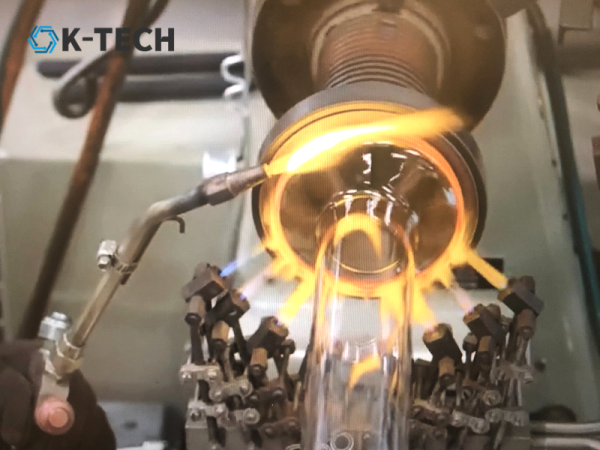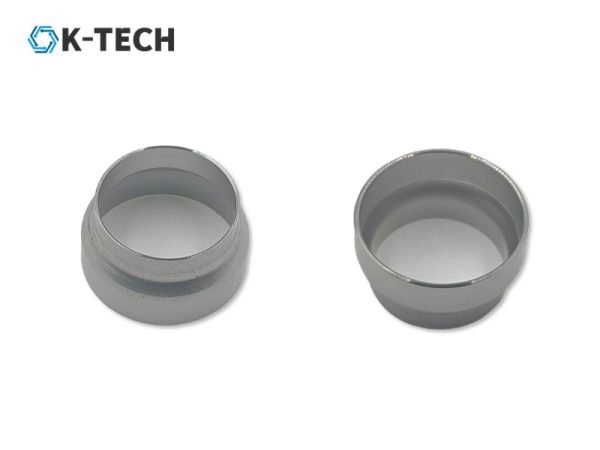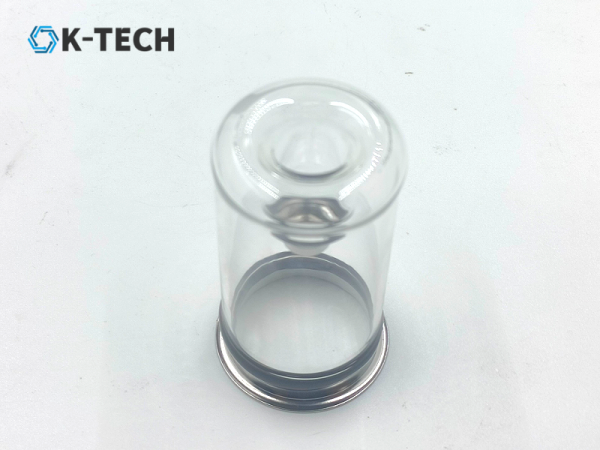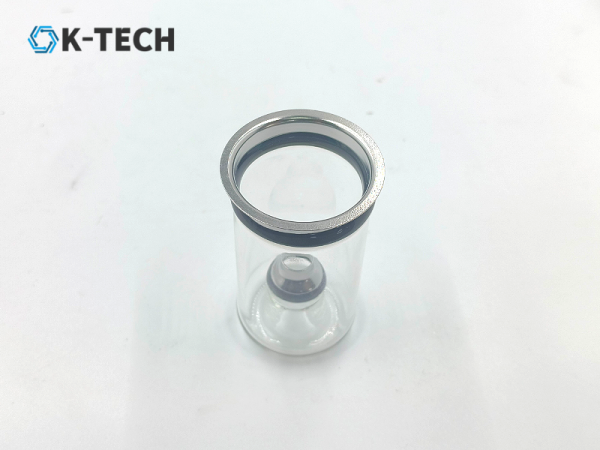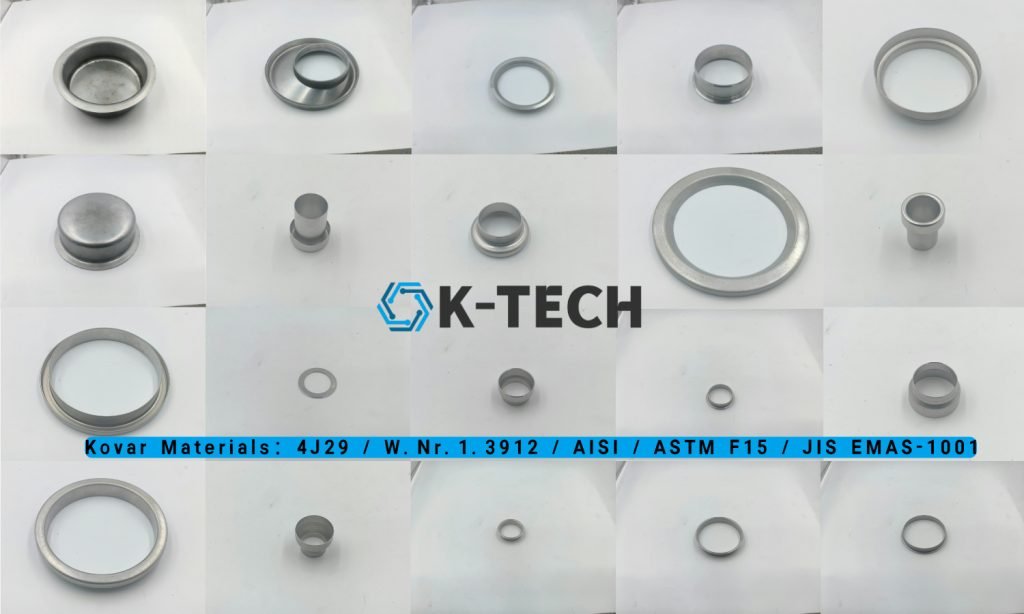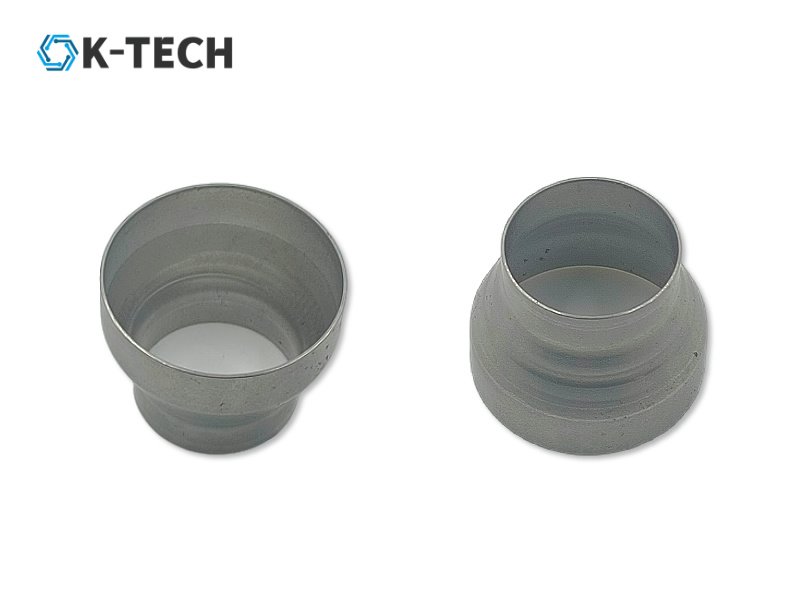
Kovar alloy (commonly known as 4J29, ASTM F15), a renowned iron-nickel-cobalt controlled expansion alloy, is widely used in high-precision electronic packaging, aerospace components, microwave devices, and hermetic sealing applications due to its matched thermal expansion coefficient with hard glass and ceramics. For Kovar precision stamped parts, surface treatment is a critical post-processing step that directly impacts product performance, corrosion resistance, weldability, electrical conductivity, and long-term service reliability. Below we elaborate on the industry-standard surface treatment processes tailored for Kovar precision stamped components, along with their core advantages and applicable scenarios.
1. Pre-Treatment: The Foundation of High-Quality Surface Finishing
Before implementing any formal surface coating or treatment, thorough pre-treatment is essential to eliminate stamping residues, oil contamination, surface oxides, and burrs, ensuring strong adhesion of subsequent coatings and consistent surface quality. This step is non-negotiable for Kovar stamped parts, especially those used in hermetic sealing and high-reliability electronics.
- Alkaline Degreasing & Ultrasonic Cleaning: Effectively removes stamping oil, lubricants, and surface dust, leaving a clean substrate without residual contaminants.
- Weak Acid Pickling & Activation: Gently etches the Kovar surface to remove thin oxide films and passivation layers, enhancing coating adhesion.
- Vacuum/Hydrogen Annealing Cleaning: A high-temperature purification treatment under vacuum or hydrogen atmosphere, which not only removes stubborn contaminants but also relieves stamping-induced stress, stabilizes product dimensions, and delivers an ultra-clean surface ideal for glass/ceramic sealing.
2. Electroplating & Electroless Plating Processes
Plating is the most widely applied surface treatment for Kovar precision stamped parts, offering customizable performance upgrades such as corrosion resistance, weldability, electrical conductivity, and oxidation resistance. Various plating options can be used individually or in combination to meet diverse application requirements.
2.1 Nickel Plating (The Standard Base Coating)
Available as electrolytic nickel plating and electroless nickel plating (EN), nickel plating serves as the universal base layer for Kovar components, with a standard thickness ranging from 1.27μm to 5μm. It delivers exceptional adhesion to Kovar substrate, significantly improves corrosion resistance and solderability, and acts as a perfect transition layer for subsequent gold or silver plating. This process is a must-have for electronic packaging shells, lead frames, and sealing connectors.
2.2 Gold Plating (High-End Reliability Coating)
Divided into soft gold plating and hard gold plating with a typical thickness of 0.05μm to 2μm, gold plating stands out for its superior electrical conductivity, thermal conductivity, oxidation resistance, and corrosion resistance. It also ensures excellent brazing and wire bonding performance, making it the top choice for high-end applications including aerospace sensors, microwave RF devices, optoelectronic components, and high-hermeticity sealing parts.
2.3 Silver Plating (High-Conductivity Cost-Effective Coating)
With a standard thickness of 1μm to 5μm, silver plating outperforms gold plating in electrical and thermal conductivity at a lower cost. It is widely used in RF connectors, waveguides, and high-power conductive components. Note that anti-tarnish treatment is recommended to prevent silver sulfidation and discoloration during long-term service.
2.4 Tin/Tin-Lead Plating (Cost-Effective Solderable Coating)
Featuring a thickness of 2μm to 8μm, this plating process delivers outstanding solderability and low production cost, suitable for conventional welded structural parts and cost-sensitive electronic components. It is an optimal choice for mass-produced Kovar stamped parts with basic soldering requirements.
3. Passivation Treatment (Anti-Corrosion for Bare Substrate)
Including chromate passivation and eco-friendly passivation alternatives, this treatment retains the original metallic luster of Kovar parts while forming a thin anti-corrosion protective film on the surface. It is ideal for non-conductive, non-welded structural components that require basic rust prevention without additional plating, balancing cost and basic durability.
4. Stress Relief Annealing (Dimensional Stability & Hermetic Sealing)
Conducted at 800℃+ under vacuum or hydrogen protection atmosphere, this non-plating treatment focuses on relieving internal stress generated during precision stamping, eliminating dimensional deviations caused by springback, and achieving an ultra-clean, oxide-free surface. It is specially designed for high-precision hermetic sealing parts, semiconductor bases, and vacuum devices where surface contamination and dimensional instability are strictly prohibited.
5. Supplementary Surface Finishing
- Deburring & Polishing: Vibratory grinding, electrochemical polishing, or laser deburring to remove burrs and sharp edges, improving surface smoothness (Ra ≤ 0.8μm) and avoiding assembly damages.
- Laser Marking & Electrochemical Etching: Permanent marking of part models, batch numbers, logos, or specifications without damaging the surface coating or substrate, ensuring traceability of finished products.
Recommended Surface Treatment Combinations for Kovar Stamped Parts
To meet different application scenarios, we recommend proven plating combinations that balance performance and cost:
- Basic Reliable Type: Pre-cleaning + Nickel Plating (2-3μm) – Suitable for conventional electronic components with moderate anti-corrosion and solderability needs.
- High-End Hermetic Type: Pre-cleaning + Hydrogen Annealing + Nickel Plating + Gold Plating – Designed for aerospace, military, and high-hermeticity electronic packaging with extreme reliability requirements.
- RF High-Conductivity Type: Pre-cleaning + Nickel Plating + Silver Plating – Perfect for RF communication devices and high-power conductive parts.
- Cost-Effective Welding Type: Pre-cleaning + Nickel Plating + Tin Plating – Ideal for mass-produced commercial Kovar stamped parts.
Conclusion
Selecting the right surface treatment process for Kovar precision stamped components requires comprehensive consideration of application scenarios, performance requirements, cost budget, and environmental standards. Our professional team customizes targeted surface treatment solutions for each Kovar stamped part, ensuring optimal performance, dimensional accuracy, and long-term reliability, fully unlocking the application value of Kovar alloy in high-end precision manufacturing fields.